New Zealand sees the sun before almost anyone else in the world. Every morning, before the light, the birds wake up and start singing – the dawn chorus, waraki. In the right patch of bush it’s close to deafening. Nothing sounds or feels quite like it. It’s unique to us and to New Zealand, which is how we landed on the name for our wines, Dawn Chorus.
Made from grapes grown in Hawke’s Bay, on the East Coast of Aotearoa New Zealand, where the land means as much to us as the wine we put in the bottle.
New Zealand sees the sun before almost anyone else in the world. Every morning, before the light, the birds wake up and start singing – the dawn chorus, waraki. In the right patch of bush it’s close to deafening. Nothing sounds or feels quite like it. It’s unique to us and to New Zealand, which is how we landed on the name for our wines, Dawn Chorus.
Made from grapes grown in Hawke’s Bay, on the East Coast of Aotearoa New Zealand, where the land means as much to us as the wine we put in the bottle.
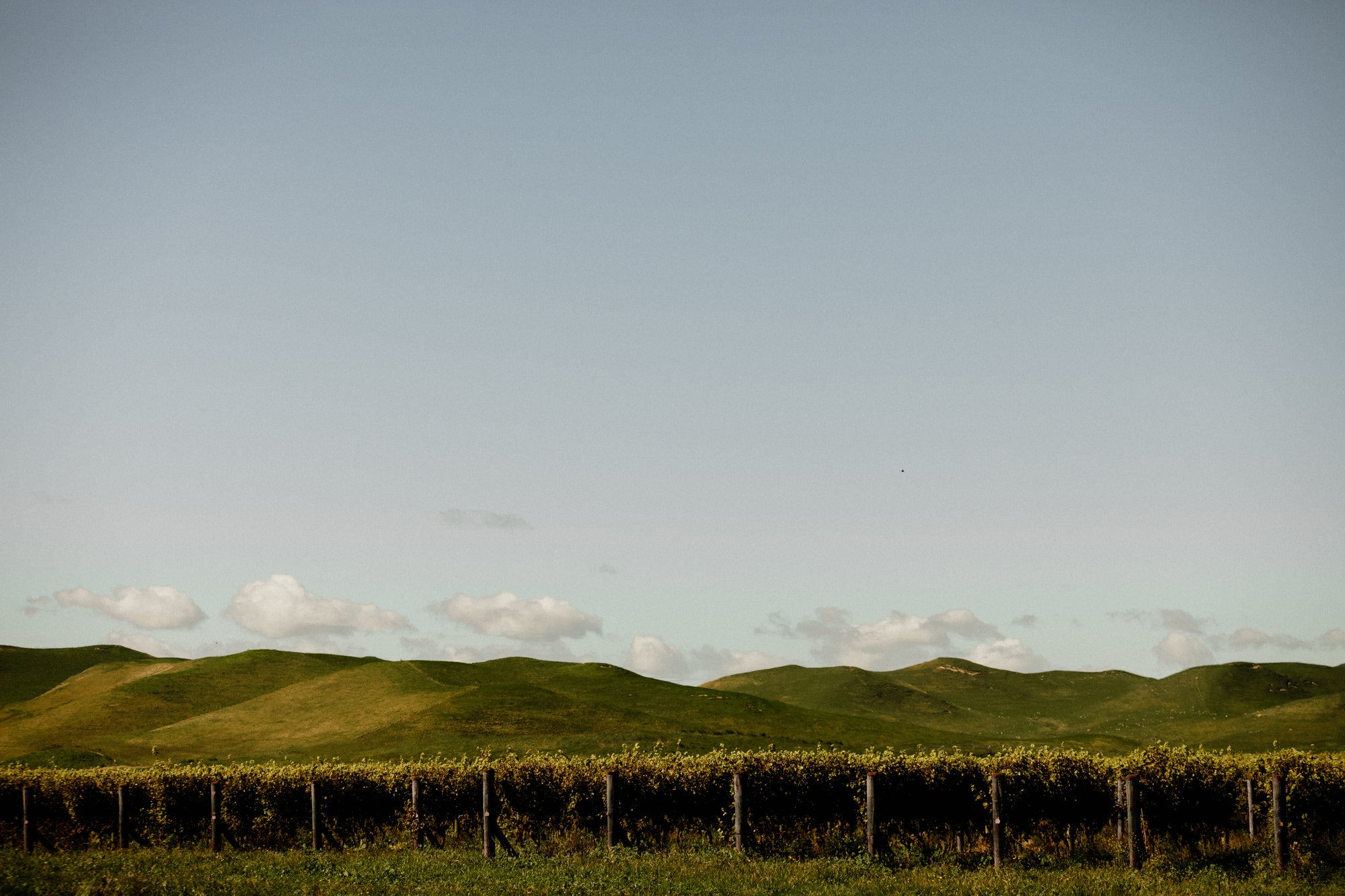
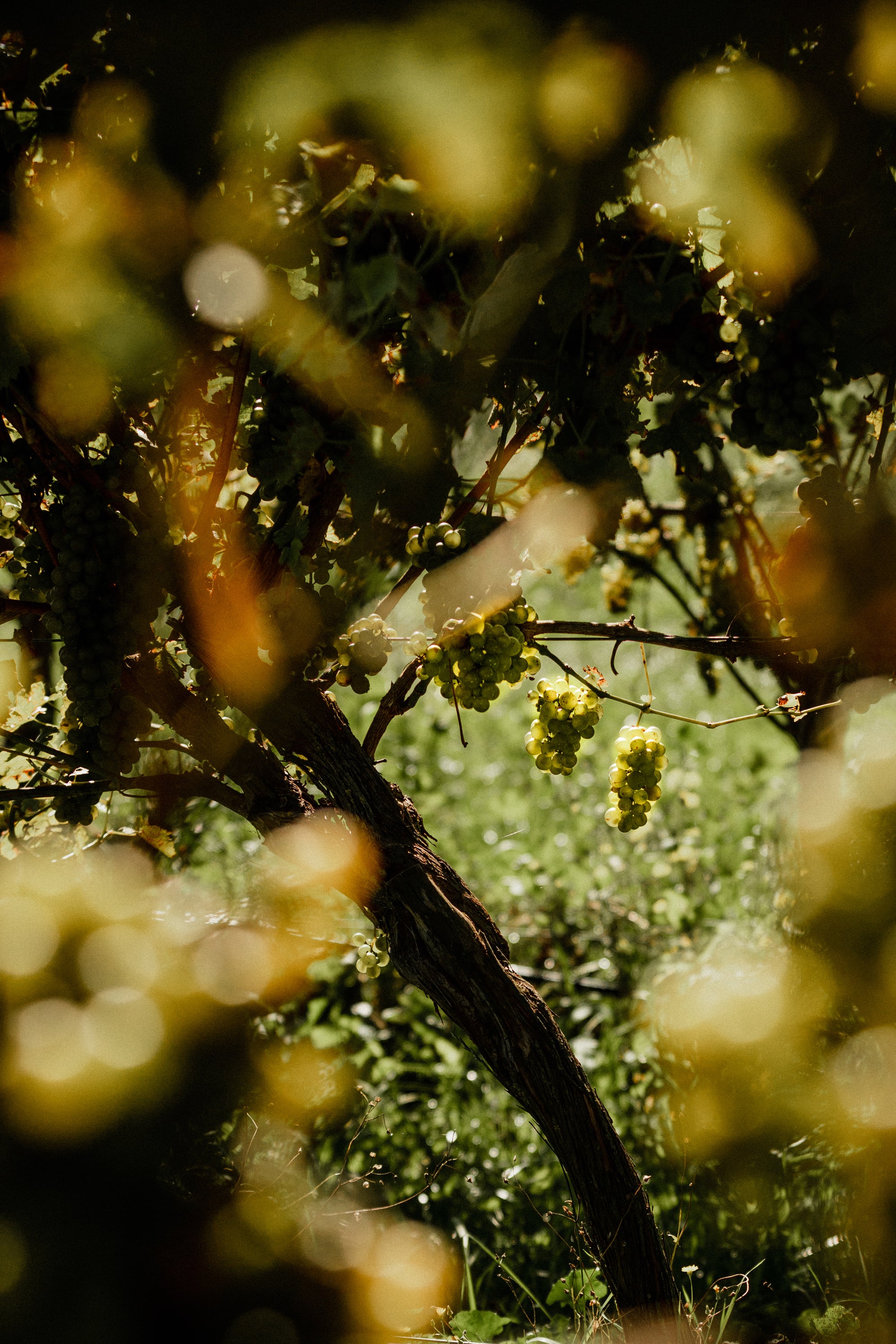
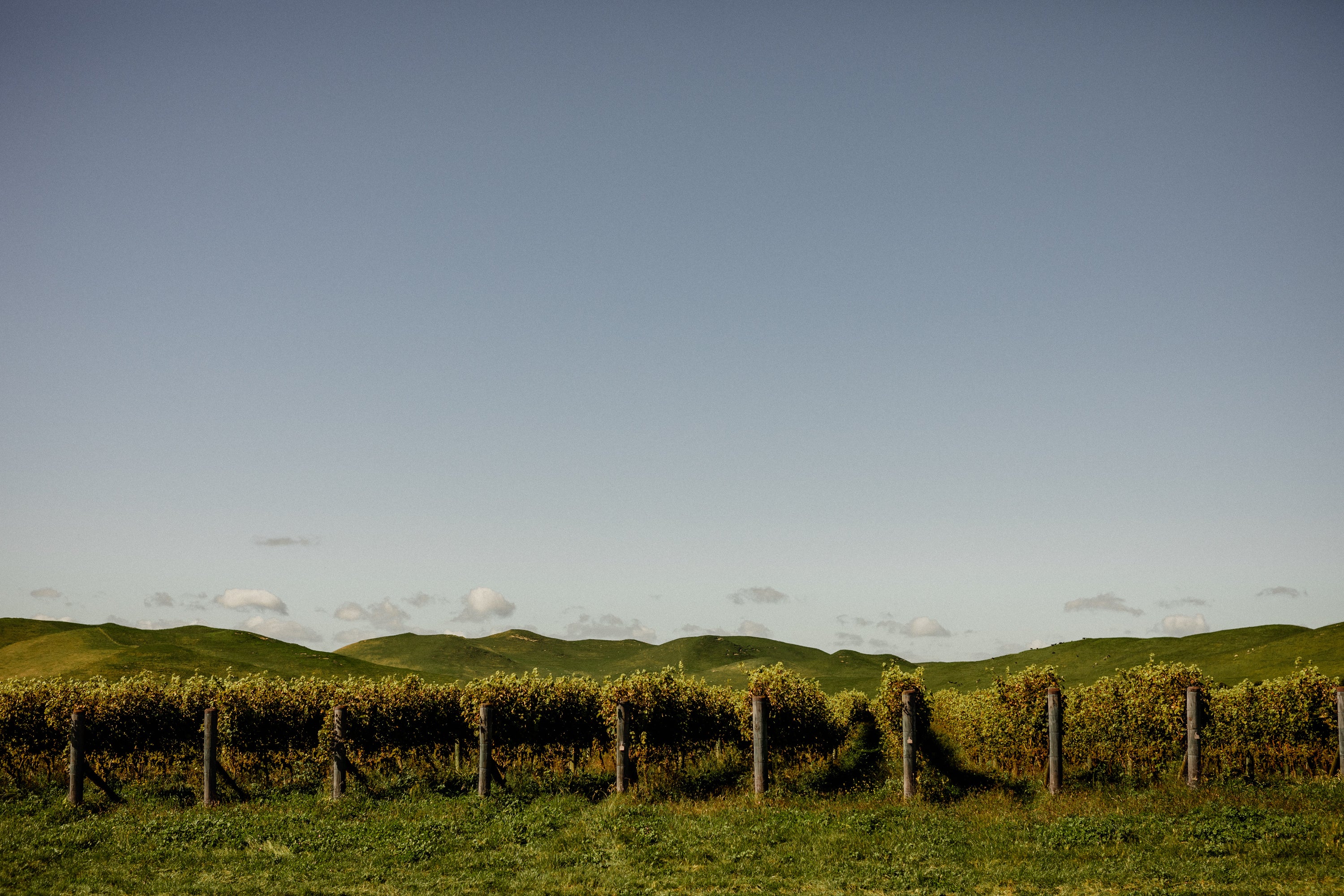
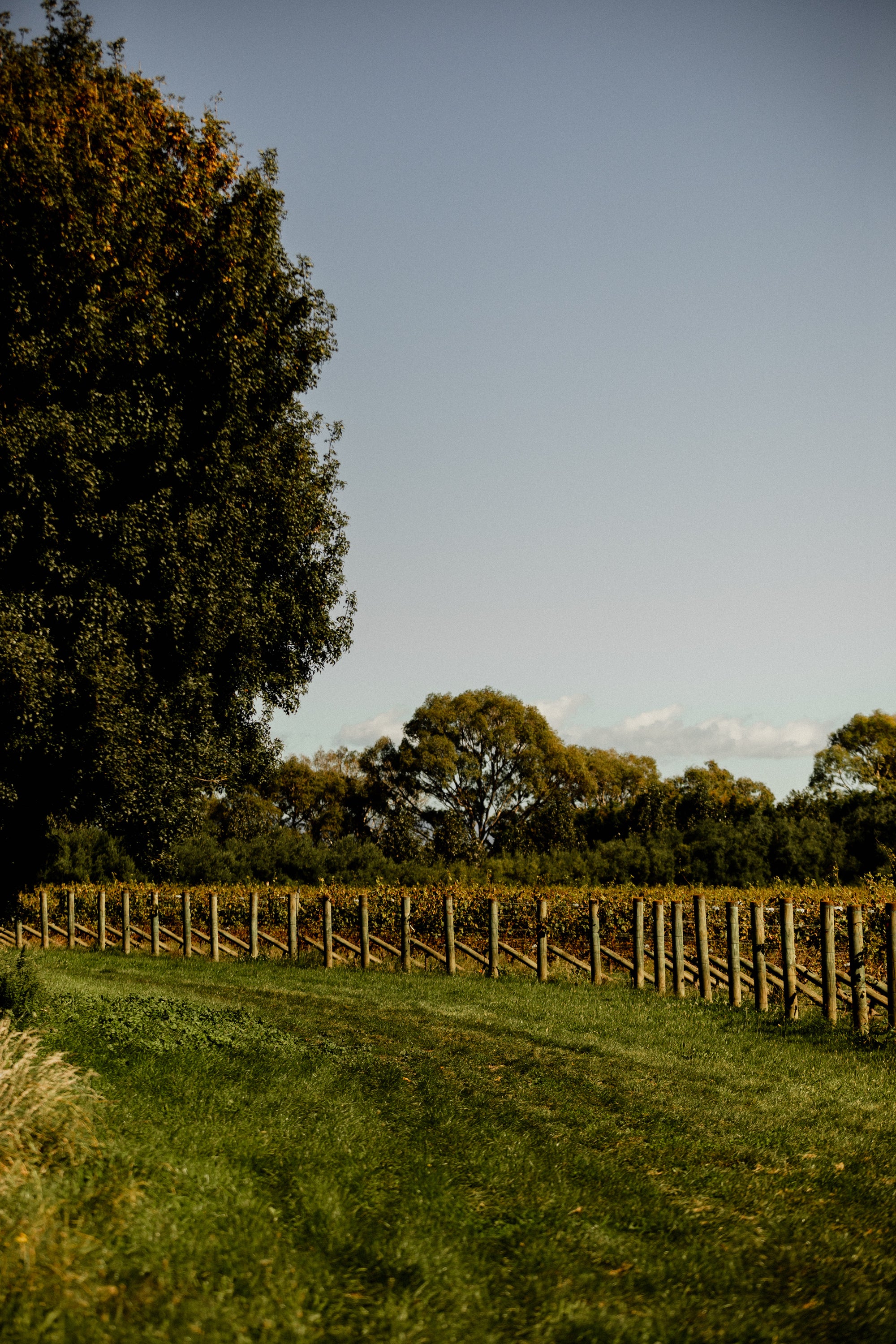
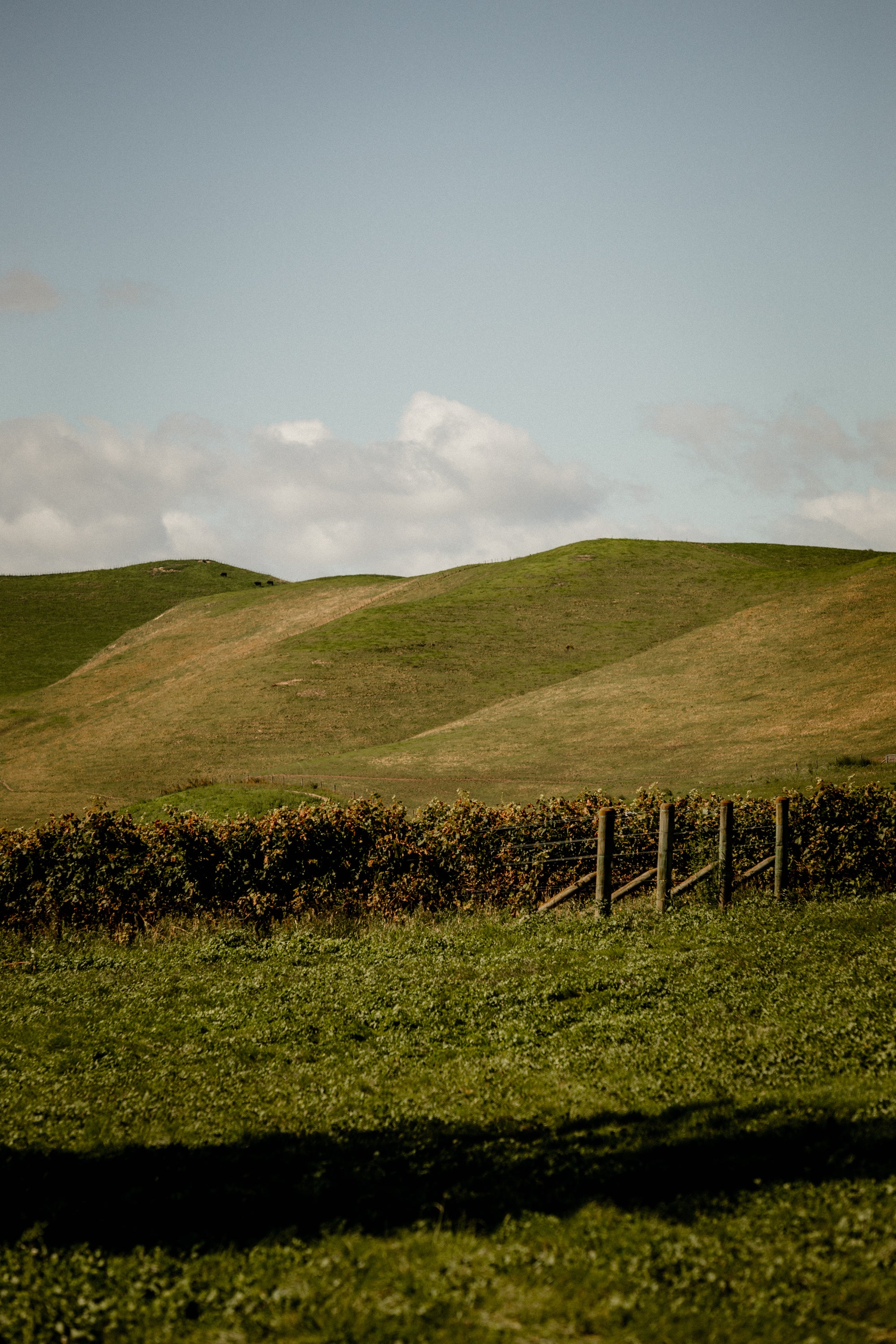
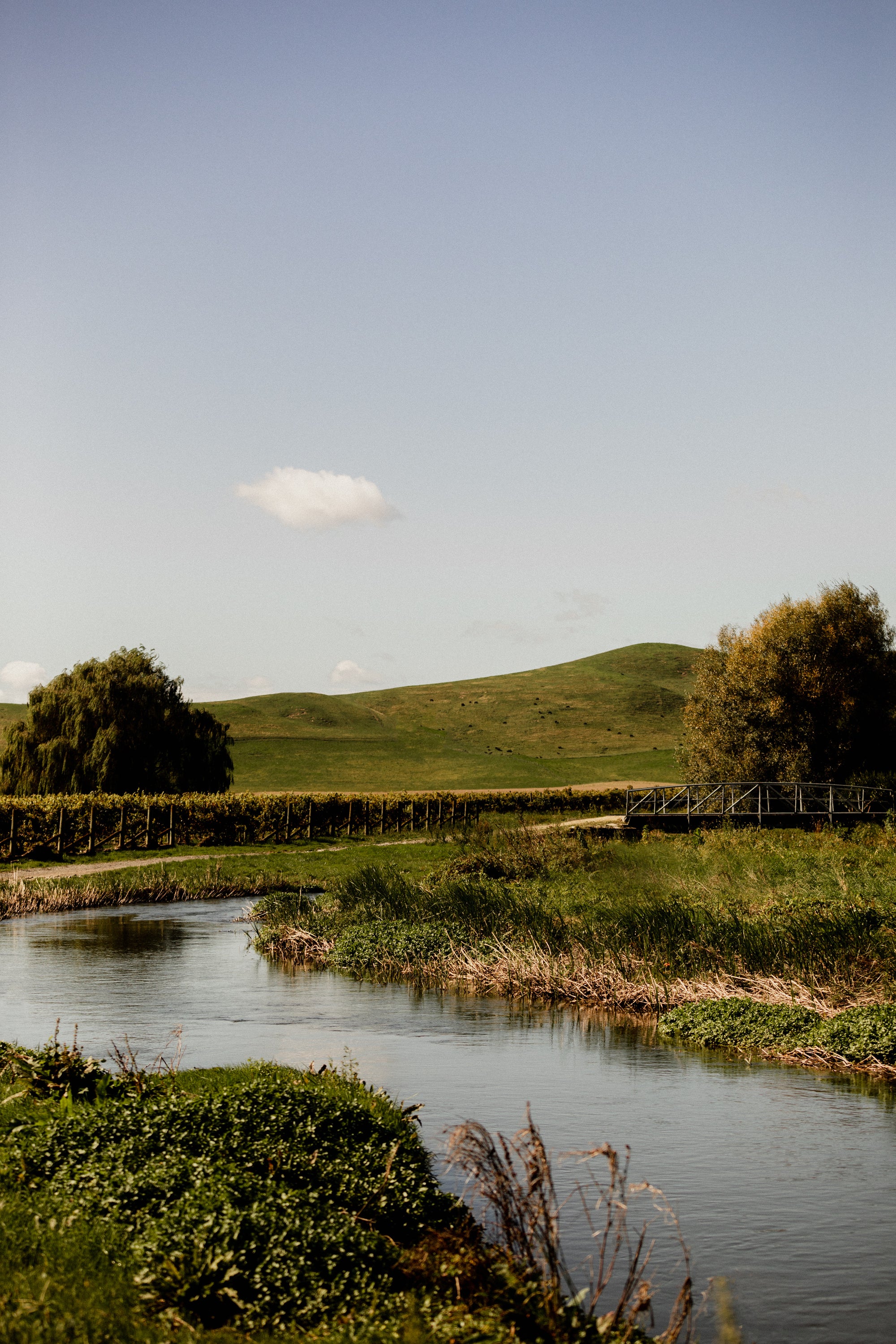
The vineyard is certified organic and sits about 20 miles from the sea, at the foot of limestone hills that were pushed up out of the ocean. Forty-five thousand years ago a river flooded across this valley floor. Before that – earlier and deeper – the whole area was a salt lake, left behind as the land lifted out of the sea.
The sea water is long gone. The salt isn’t. The soils are shallow river silts over greywacke stone, with deep, slightly saline sub-soils underneath. Add a cool climate with not much rain and you get grapes with moderate sugar, proper acidity and plenty to say for themselves. The Sauvignon Blanc and the Chardonnay come from here.
The Rosé comes from a younger block closer to the coast – sandy, fast-draining riverbed soils the river left only a few hundred years ago.
The vineyard is certified organic and sits about 20 miles from the sea, at the foot of limestone hills that were pushed up out of the ocean. Forty-five thousand years ago a river flooded across this valley floor. Before that – earlier and deeper – the whole area was a salt lake, left behind as the land lifted out of the sea.
The sea water is long gone. The salt isn’t. The soils are shallow river silts over greywacke stone, with deep, slightly saline sub-soils underneath. Add a cool climate with not much rain and you get grapes with moderate sugar, proper acidity and plenty to say for themselves. The Sauvignon Blanc and the Chardonnay come from here.
The Rosé comes from a younger block closer to the coast – sandy, fast-draining riverbed soils the river left only a few hundred years ago.
We pick in the cool of the morning – while the dawn chorus is in full swing, when the dew’s still on the ground. It keeps the acidity bright and the fruit clean.
In the winery, the ferments run wild and the wine sits on its yeast lees for a good while. That’s where a lot of the texture comes from. One pass through the filter on the way to bottle, and everything we worked for stays in.
Beyond that, each wine gets what it needs and not much else. The Sauvignon Blanc is picked earlyish, at around 21 brix. The Rosé is picked early so the colour stays pale. The Chardonnay sees no oak at all – lees and a little stirring do the work.
We pick in the cool of the morning – while the dawn chorus is in full swing, when the dew’s still on the ground. It keeps the acidity bright and the fruit clean.
In the winery, the ferments run wild and the wine sits on its yeast lees for a good while. That’s where a lot of the texture comes from. One pass through the filter on the way to bottle, and everything we worked for stays in.
Beyond that, each wine gets what it needs and not much else. The Sauvignon Blanc is picked earlyish, at around 21 brix. The Rosé is picked early so the colour stays pale. The Chardonnay sees no oak at all – lees and a little stirring do the work.
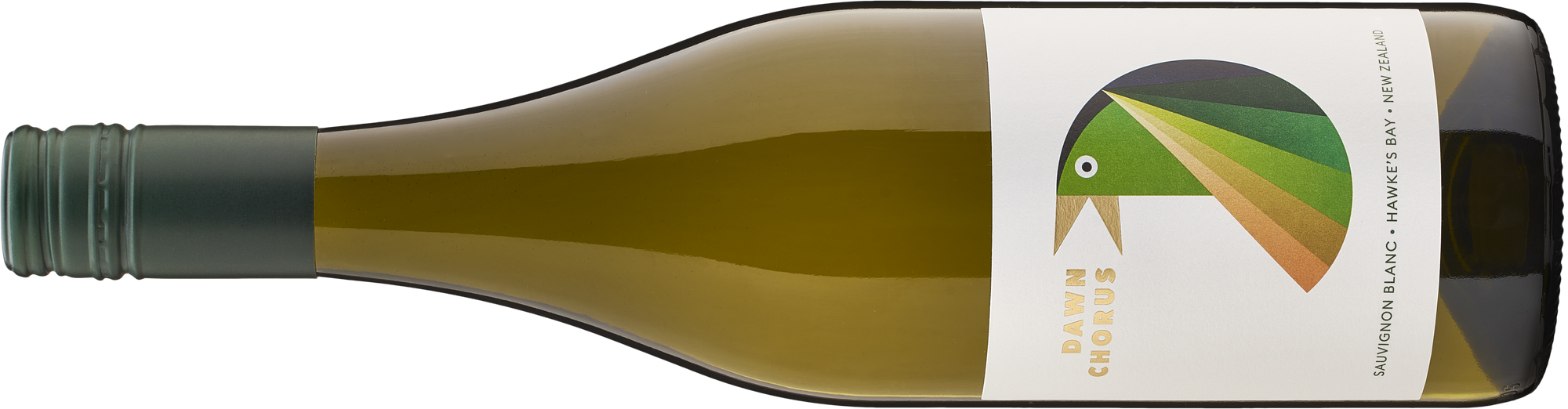
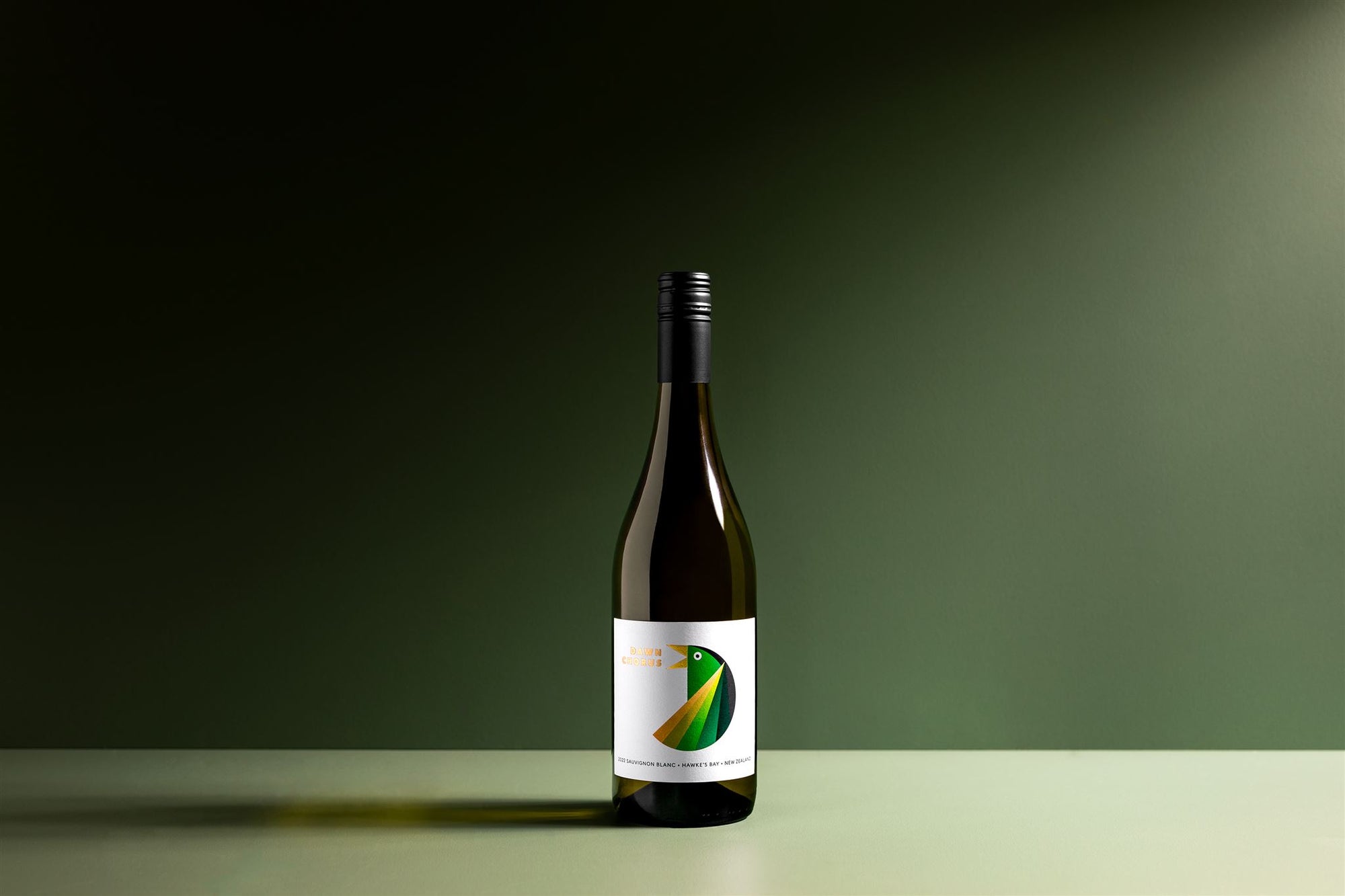
Sauvignon Blanc
Lime, guava, brine, a bit of crunch, and bone dry. There’s grapefruit, passionfruit and lemongrass in there if you go looking. Good with fish and chips or anything you’d squeeze a lime over.
One for the drinkers.
2025 Sauvignon Blanc tasting notes
2024 Sauvignon Blanc tasting notes
2023 Sauvignon Blanc tasting notes
2022 Sauvignon Blanc tasting notes
Syrah Rosé
Strawberry, blueberry and smoke with a bit of grip at the end. Bright and just shy of bone dry. Good with anything off the barbecue.
Drink it cold. Drink it now.
2025 Syrah Rosé tasting notes
Chardonnay
Flint, pear and nectarine. Lemon and nougat underneath, proper acid, and a texture that comes from lees rather than oak. The finish is long. Good with roast chicken.
This is what we’re thinking about Chardonnay now.
2025 Chardonnay tasting notes
We take our wine seriously, not ourselves.
USA Contact.
Jody Ames
jody@blancoyrosso.com
blancoyrossowines.com
+01-773-551-9595
Sauvignon Blanc
Lime, guava, brine, a bit of crunch, and bone dry. There’s grapefruit, passionfruit and lemongrass in there if you go looking. Good with fish and chips or anything you’d squeeze a lime over.
One for the drinkers.
2025 Sauvignon Blanc tasting notes
2024 Sauvignon Blanc tasting notes
2023 Sauvignon Blanc tasting notes
2022 Sauvignon Blanc tasting notes
Syrah Rosé
Strawberry, blueberry and smoke with a bit of grip at the end. Bright and just shy of bone dry. Good with anything off the barbecue.
Drink it cold. Drink it now.
2025 Syrah Rosé tasting notes
Chardonnay
Flint, pear and nectarine. Lemon and nougat underneath, proper acid, and a texture that comes from lees rather than oak. The finish is long. Good with roast chicken.
This is what we’re thinking about Chardonnay now.
2025 Chardonnay tasting notes
We take our wine seriously, not ourselves.
USA Contact.
Jody Ames
jody@blancoyrosso.com
blancoyrossowines.com
+01-773-551-9595
Sign up to our newsletter to keep in the ultra-low-key know.
Come on now, are you sure you're old enough in the country where you're drinking? Ya look like a spring chicken!
Your cart is currently empty.